
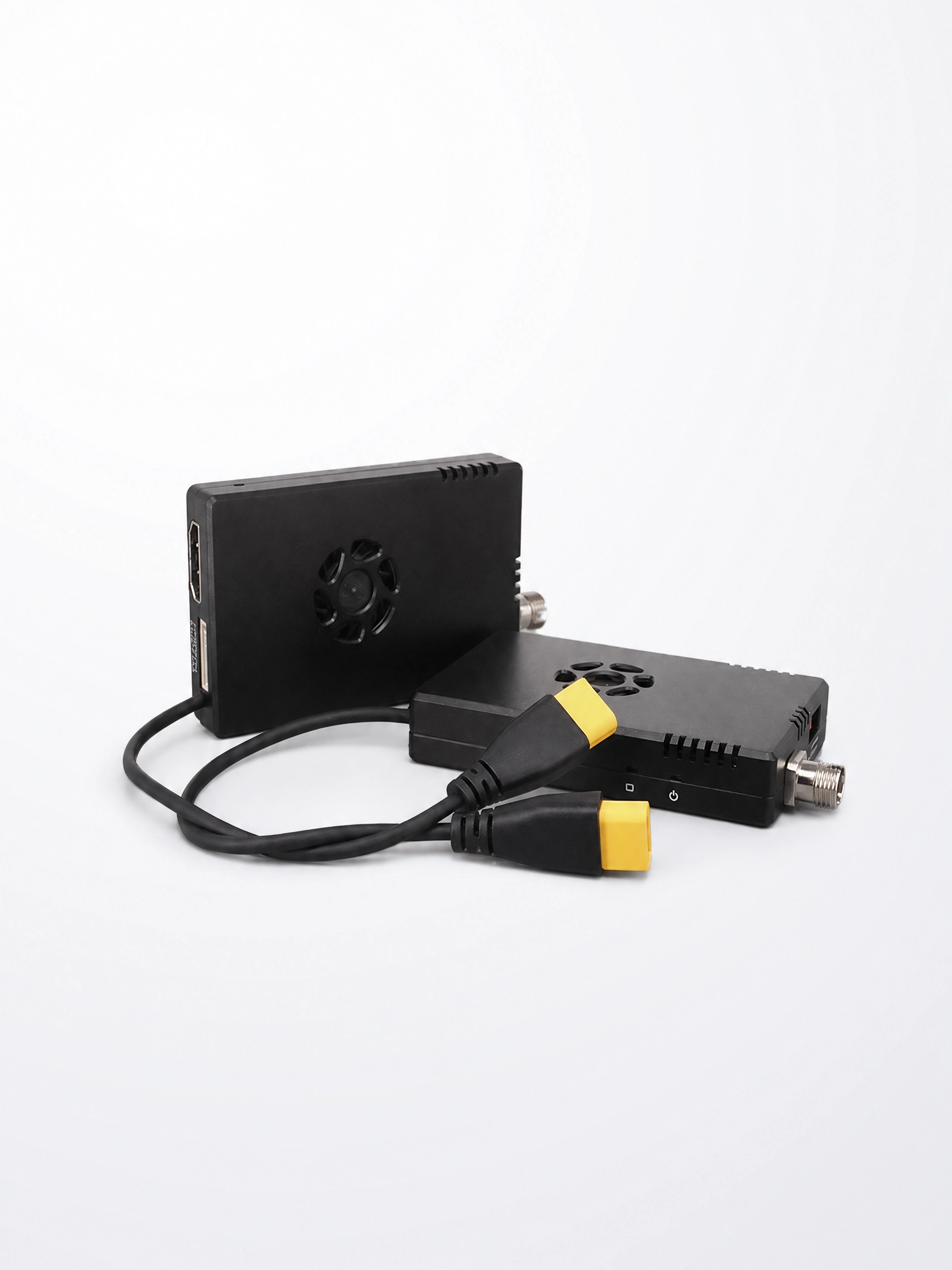
The market for fiber optic FPV remote controllers is on the verge of explosive growth. This trend is mainly driven by military demand, and the civilian market is also following suit. By 2025, the global revenue scale of FPV drones had reached approximately 4.544 billion yuan. The fiber optic remote control technology, as a niche segment within it, is experiencing unprecedented growth momentum.
From the perspective of market drivers, the ongoing conflict between Russia and Ukraine is a key catalyst. Data shows that Russia purchased 598 million kilometers of fiber optic cables in 2025, accounting for 10.5% of the global market, while Ukraine purchased 284 million kilometers, and the two countries together accounted for more than 15% of the global fiber optic market. The Ukrainian Ministry of Defense reported in the second half of 2025 that among the 2.2 million various drones it obtained, fiber optic remote control drones accounted for 325,000. The Russian side, for example, the monthly production at the Ushkueynik Center in Novgorod exceeded 50,000 units, with an annual production capacity of up to 600,000 units. This large-scale military demand has directly driven the rapid iteration and expansion of capacity of fiber optic FPV remote control technology.
The competitive market landscape shows a diversified feature. Traditional radio remote control manufacturers such as DJI and RadioMaster are laying out fiber optic product lines, while emerging enterprises are focusing on developing fiber optic-specific equipment. It is worth noting that at the end of 2025, global fiber optic prices soared. G.657.A2 fiber optic cables rose from 22-24 yuan per core per kilometer in 2025 to 45-48 yuan, and even reached 60-70 yuan in February 2026. The supply cycle extended from 8-12 weeks to more than 20 weeks. This price increase is both a reflection of market demand and a reflection of supply chain bottlenecks.
From the perspective of technological trends, fiber optic FPV remote controllers are penetrating from the military field to the civilian market. The demand for anti-interference capabilities in scenarios such as power inspection, emergency rescue, and urban aerial photography is increasing day by day. Although the civilian-level fiber optic barrel products have a higher price (about 1,250 yuan for 30KM level), their stable performance in complex electromagnetic environments makes them the preferred choice for professional users. It is expected that in the next 3-5 years, as the cost of fiber optic decreases and technology matures, fiber optic FPV remote controllers will occupy an important share in the professional market.